Hello fellow yarn lovers! Get ready to add a touch of farmhouse charm to your home or wardrobe with this delightful Hen Sweater crochet pattern. Imagine a cozy, wonderfully textured creation, perfect for draping over a favorite chair, adorning a kitchen wall, or even being gifted to a chicken-loving friend. Its playful hen silhouette, complete with a cute little comb and wattle, is sure to bring a smile to anyone’s face.
Whether you’re just starting your crochet journey or looking for a fun, quick project, this pattern is designed with you in mind! We’ll walk through each step with clear instructions, making it accessible and enjoyable. You’ll learn how to create simple stitches that come together beautifully to form this rustic yet charming hen. So grab your hook and some yarn – let’s get stitching and bring this sweet hen to life!
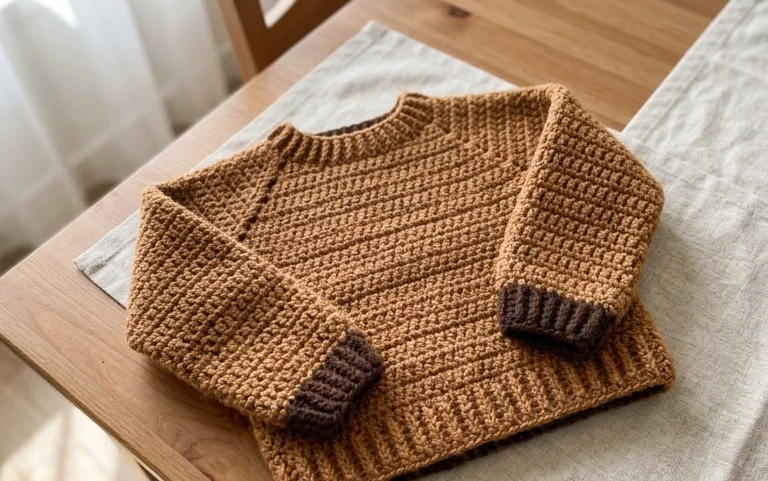
The Hen Sweater: A Cozy Crochet Creation for Your Little Cluckers
There’s something incredibly charming about a handmade garment, and when that garment is designed to keep your feathered friends warm and stylish, it’s pure delight! The Hen Sweater pattern has quickly become a beloved project for crafters looking to add a touch of whimsy and practicality to their chicken coops. Whether you have a single pampered hen or a whole flock of discerning ladies, this pattern offers a wonderful opportunity to combine your love for crochet with your appreciation for your backyard birds. Let’s dive into the delightful world of the Hen Sweater, exploring everything you need to know to create a masterpiece for your clucking companions.
Yarn and Hook Recommendations: Choosing the Right Fibers
The foundation of any successful crochet project lies in selecting the right materials. For the Hen Sweater, we want to prioritize durability, washability, and comfort for your hens.
Yarn Choices:
The beauty of this pattern is its versatility when it comes to yarn. However, some fibers are better suited for this project than others.
- Acrylic Yarn: This is often the go-to choice for pet garments, and for good reason! Acrylic is durable, easy to wash and dry, and generally affordable. Look for a medium weight (worsted weight) acrylic yarn that is soft to the touch. Avoid anything too scratchy, as it might irritate your hen’s delicate skin.
- Cotton Blends: A cotton or cotton-blend yarn can also be a great option, offering breathability and a lovely drape. Be mindful that pure cotton can be a bit heavier and take longer to dry, so a blend with acrylic or a lighter cotton yarn is often preferred.
- Superwash Wool: If you’re feeling adventurous and want a natural fiber option, consider a superwash merino or a similar wool that can be machine washed. This will offer excellent warmth and comfort, but ensure it’s truly machine washable and dryable to make care a breeze.
When choosing your yarn, consider the climate where your chickens live. For cooler regions, a slightly warmer yarn might be beneficial. Always check the yarn label for care instructions – you’ll want something that can withstand frequent washing.
Hook Size:
The pattern will typically specify a recommended hook size, but this can vary slightly depending on your individual crochet tension. For a medium weight yarn, a hook size of **H/8 (5.0 mm)** or **I/9 (5.5 mm)** is a common starting point.
- Beginner Tip: It’s always a good idea to create a small swatch with your chosen yarn and hook before you begin the actual sweater. This will allow you to check your gauge (the number of stitches and rows per inch). If your swatch is too small, try a larger hook; if it’s too large, try a smaller hook. A slightly looser gauge can actually be beneficial for this project, allowing for more flexibility and ease of movement for your hen.
Stitch Techniques: Building Your Hen Sweater
The Hen Sweater pattern is designed to be approachable, even for those who are relatively new to crochet. It primarily utilizes a few fundamental stitches that, when combined, create a sturdy and attractive fabric.
- Chain (ch): This is the foundation of most crochet projects, creating a series of loops that form the starting edge.
- Single Crochet (sc): A basic stitch that creates a dense and durable fabric. This will likely form the main body of the sweater.
- Half Double Crochet (hdc): A slightly taller stitch than single crochet, it creates a fabric with a bit more drape and can add subtle texture.
- Double Crochet (dc): A taller stitch that creates a more open and airy fabric. This might be used for edgings or decorative elements.
- Slip Stitch (sl st): Used for joining rounds, creating smooth transitions, and sometimes for decorative edging.
- Working in the Round: Much of the sweater will be worked in continuous rounds, creating a seamless tube for the body.
- Increasing/Decreasing: These techniques are essential for shaping the sweater, ensuring it fits snugly around your hen’s body and around her wings.
Don’t be intimidated by the list! Each stitch is fundamental, and most patterns will provide clear instructions or links to tutorials if you’re unfamiliar with them. The beauty of these stitches is their ability to create a well-fitting and comfortable garment.
Tips for Beginners: Crocheting with Confidence
Embarking on a project like the Hen Sweater is a fantastic way to build your crochet skills. Here are some tips to make your journey smooth and enjoyable.
- Start with a Practice Swatch: As mentioned earlier, practicing your gauge is crucial. It also allows you to get comfortable with the yarn and hook before committing to the entire project.
- Read the Pattern Thoroughly: Before you even pick up your hook, read the entire pattern from beginning to end. This will give you an overview of the steps involved and any special techniques you might need to learn.
- Use a Stitch Marker: When working in the round, stitch markers are your best friend. They help you keep track of the beginning of each round, preventing you from losing your place.
- Don’t Be Afraid to Frog (Unravel): Mistakes happen! If you realize you’ve made an error a few rows back, it’s better to unravel your work and correct it than to power through and end up with a wonky sweater. Crochet is a forgiving craft.
- Watch Video Tutorials: If you’re a visual learner, there are countless YouTube videos demonstrating each basic stitch and even full pattern tutorials. Seeing the stitches in action can be incredibly helpful.
- Take Breaks: Crochet is a wonderful way to relax, but it’s also important to take breaks to avoid hand strain and eye fatigue.
Remember, every experienced crocheter was once a beginner. Embrace the learning process, celebrate your progress, and most importantly, have fun!
How to Customize: Making it Uniquely Yours
One of the joys of crochet is the ability to personalize your creations. The Hen Sweater offers plenty of opportunities to inject your own style and creativity.
Color Combinations:
The possibilities for color are endless!
- Classic Stripes: Alternate between two or three complementary colors for a timeless look.
- Bold Contrasts: Use a bright, bold color for the main body and a contrasting color for the neck and leg openings.
- Hens’ Personalities: Think about your hens! Do you have a regal Rhode Island Red? Perhaps a vibrant red and gold sweater. A fluffy Orpington might suit a softer, pastel shade.
- Colorwork: For the more adventurous crocheter, you could experiment with simple colorwork patterns like Fair Isle or intarsia, though this would require a more advanced understanding of the techniques.
Sizing Adjustments:
While patterns are usually designed for specific sizes, you can often make minor adjustments to ensure a perfect fit.
- Measure Your Hen: The best way to ensure a good fit is to gently measure your hen. You’ll want to measure around her chest, just behind her wings, and the length from the base of her neck to where you want the sweater to end.
- Adjusting Length: To make the sweater longer or shorter, simply add or subtract rows in the main body section. Be sure to check your gauge to ensure you’re maintaining the correct width.
- Adjusting Width: For a wider or narrower fit, you can add or subtract stitches at the beginning of your foundation chain (if applicable) or adjust the number of increases/decreases in the pattern. Again, a swatch is your best friend here.
- Neck and Leg Openings: The pattern will likely have specific instructions for creating these openings. You can adjust the number of stitches skipped or the length of the chains used to make them larger or smaller.
Don’t be afraid to get creative! Even small changes, like adding a contrasting border, can completely transform the look of the sweater.
Care Instructions: Keeping it Clean and Cozy
Your Hen Sweater will likely get dirty, so knowing how to care for it is essential to keep it looking its best and ensuring its longevity.
- Washing: The best washing method will depend on the yarn you used.
- Acrylic: Machine wash on a gentle cycle with cold or warm water.
- Cotton Blends: Machine wash on a gentle cycle, likely with cold water.
- Superwash Wool: Machine wash on a wool cycle with cold water.
- Drying:
- Acrylic and Cotton Blends: Tumble dry on low heat or lay flat to dry. Laying flat is generally preferred to maintain the shape of the garment.
- Superwash Wool: Lay flat to dry away from direct heat and sunlight.
- Avoid Bleach and Fabric Softeners: These can damage the fibers or leave residues that might irritate your hen.
- Regular Inspection: Periodically check the sweater for any loose threads or holes that might need mending.
A clean sweater is a happy sweater, and a happy sweater means a happy hen!
Project Ideas: Beyond Just Hens
While the Hen Sweater is designed for chickens, its versatile construction and charming aesthetic lend themselves to other creative projects.
- Rooster Rags: Why leave the roosters out? A slightly larger version could be adorable for your crowing companions.
- Small Dog Sweaters: With some size adjustments, this pattern can be adapted for small breeds of dogs.
- Doll Clothes: Imagine a tiny, hand-crocheted sweater for a favorite doll!
- Amigurumi Accessories: This stitch pattern could be incorporated into small, decorative elements for plush toys.
- Poultry Parade:** If you have multiple hens, a collection of matching or coordinating Hen Sweaters would make for an incredibly photogenic and heartwarming sight in your coop!
The Hen Sweater pattern is more than just a garment; it’s a project filled with warmth, creativity, and a touch of playful charm. Whether you’re a seasoned crocheter or just starting out, this pattern offers a rewarding and delightful experience. So grab your hook, choose your favorite yarn, and get ready to create something truly special for your feathered friends!
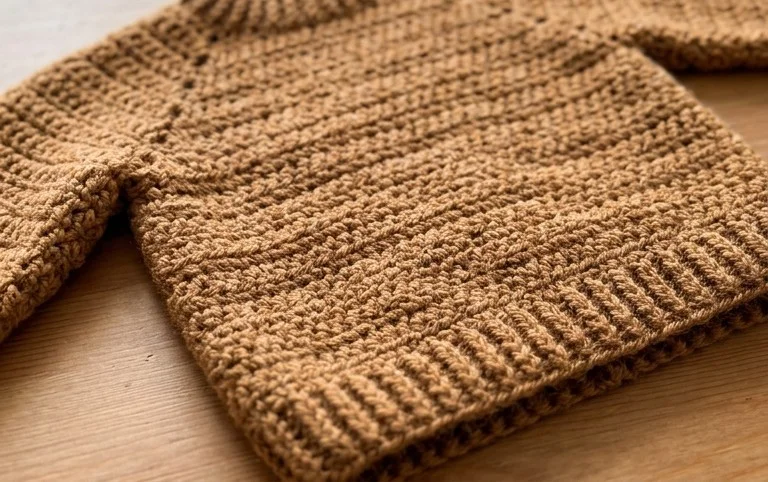
And there you have it – your very own cozy Hen Sweater! We hope you’ve enjoyed this pattern and are excited to cast on your own feathered friend. Don’t be shy about sharing your finished projects! Tag us on social media with #HenSweater and let’s see your unique creations. Feel free to get creative with color choices, yarn weights, or even add some little buttons for extra personality. We can’t wait to see what you make! Explore more delightful crochet patterns on our site, and happy stitching!